Image 1 of 7

New – carefully chosen on site

No. 21 Ishi Ceremonial Grade Matcha 30g

€26,95

Compared with our other teas

Previous price: €34,95 €26,95
Previous price €34,95
Lowest price in the 30 days before the sale: €34,95

€89,83/100 gincl. VAT

Makes about 15 cups (1 cup = 2 g)

Number of tins

Mix any teas – every tin and pouch of matcha in your cart counts.

Keeps until at least:

  • Klarna
  • Apple Pay
  • Google Pay
  • Visa
  • Mastercard
  • American Express
  • PayPal
Taste guarantee Not your taste? We’ll swap it. Show the terms

Email us at help@matchatori.com and we’ll swap it for another tea. The swap is once per customer. If the new tea costs more, you only pay the difference.

Matcha Weeks price guarantee If we lower the price, you get the difference back. Show the terms

If you buy something during Matcha Weeks and we lower the price of the same product by Nov 30, 2026, you get the difference back. Email help@matchatori.com with your order number and we refund it to the same payment method.

Ships from our warehouse in Sweden

No customs within the EU

To a pick-up point near you or to your door · 3–5 working days · Free shipping from €79,90

A free matcha whisk when you spend €95 or more

Delivery, payment & returns

Shipping. €4,90 to a pickup point · free from €79,90. Home delivery available; final price at checkout. Delivery usually 3–5 working days after dispatch.

Delivery. To a pick-up point near you or to your door. Delivery options, cost and estimated arrival are shown at checkout for your address. If the product page shows a different dispatch date, that date applies.

Payment

  • Klarna
  • Apple Pay
  • Google Pay
  • Visa
  • Mastercard
  • American Express
  • PayPal

Returns. You have a 14-day right of withdrawal from the day you receive your order. Unopened pouches and unused tools in their original packaging can be returned, but an opened pouch of matcha cannot, as it is a food product. Email help@matchatori.com with your order number before sending anything back.

Read the full return policy

We have a 14-day return policy, which means you have 14 days after receiving your item to request a return.

To be eligible for a return, your item must be in the same condition that you received it, unworn or unused, with tags, and in its original packaging. You’ll also need the receipt or proof of purchase.

To start a return, you can contact us at help@matchatori.com.

If your return is accepted, you can either return the package directly to us at your own expense or request a paid return label from us. 

Items sent back to us without first requesting a return will not be accepted.

You can always contact us for any return question at help@matchatori.com. 

Damages and issues
Please inspect your order upon reception and contact us immediately if the item is defective, damaged or if you receive the wrong item, so that we can evaluate the issue and make it right.

Exceptions / non-returnable items
Certain types of items cannot be returned, like perishable goods (such as food, flowers, or plants), custom products (such as special orders or personalized items), and personal care goods (such as beauty products). We also do not accept returns for hazardous materials, flammable liquids, or gases. Please get in touch if you have questions or concerns about your specific item.

Unfortunately, we cannot accept returns on sale items or gift cards.

Exchanges
The fastest way to ensure you get what you want is to return the item you have, and once the return is accepted, make a separate purchase for the new item.

European Union 14 day cooling off period
Notwithstanding the above, if the merchandise is being shipped into the European Union, you have the right to cancel or return your order within 14 days, for any reason and without a justification. As above, your item must be in the same condition that you received it, unworn or unused, with tags, and in its original packaging. You’ll also need the receipt or proof of purchase.

Refunds
We will notify you once we’ve received and inspected your return, and let you know if the refund was approved or not. This process can take up to 14 days. 


If approved, you’ll be automatically refunded on your original payment method within 10 business days. Please remember it can take some time for your bank or credit card company to process and post the refund too. 
If more than 15 business days have passed since we’ve approved your return, please contact us at help@matchatori.com.

Returns for "Buy More & Save" Discounts
If you return any items purchased as part of a "Buy More & Save" promotion, the discount will be recalculated based on the number of items you keep. The final price of the retained items will be adjusted accordingly to reflect the correct pricing tier.

Add the tools

Tick what you are missing. It goes into the cart together with the matcha.

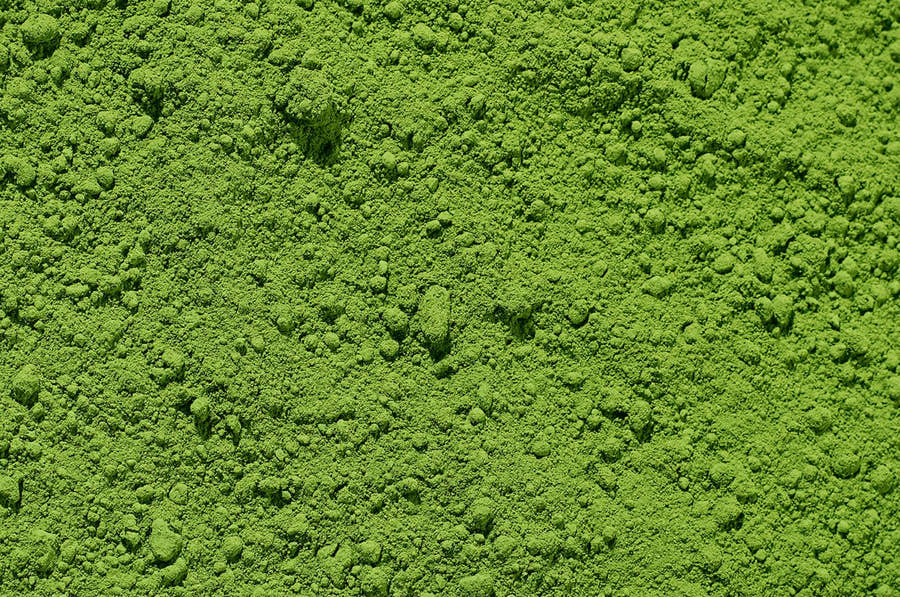
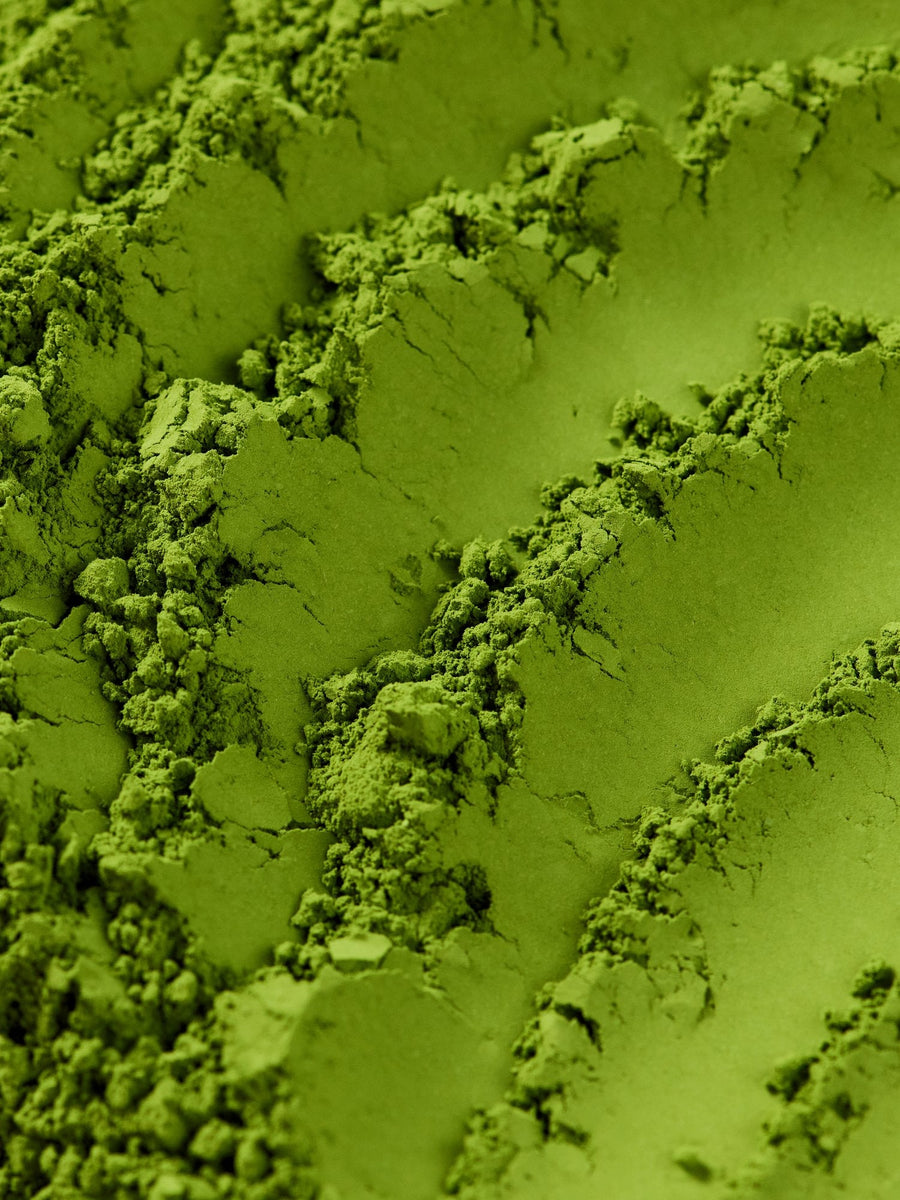
Five cultivars from Fuji, Japan, come together in Ishi. The blend pairs Yabukita and Tsuyuhikari with Saemidori, Sakimidori and Sayamakaori. All five come from ichibancha, the first harvest of the year. The powder is an intense green.

30 g tin. Ingredients: 100% matcha (green tea).

Preparation and storage

Sift the matcha into a bowl, add warm water and whisk until smooth. Keep tightly closed in a cool, dark, dry place.

100% matcha (green tea) from Japan

A tea field in a valley

We visit our producers in Japan several times a year.

Why our matcha?

  1. Anton and Sasha in the tea field

    I choose every tea myself

    Finding really good matcha means a lot to me. I travel to Japan several times a year, taste on site and meet the families who grow the tea. The people behind the matcha matter enormously to us, and you can taste it in the cup.

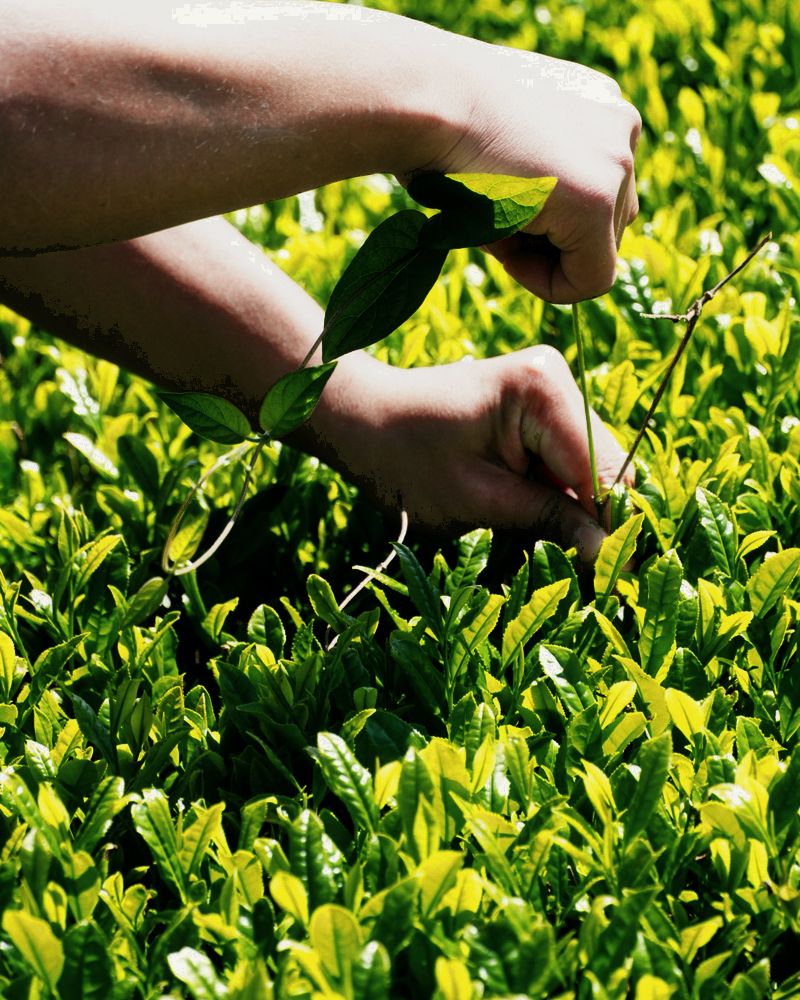
  2. Hands picking the top leaves

    Small, family-run producers

    We don’t choose the producers who can make the most or give us the best price. We choose the ones who care the most, and you can taste it in our teas.

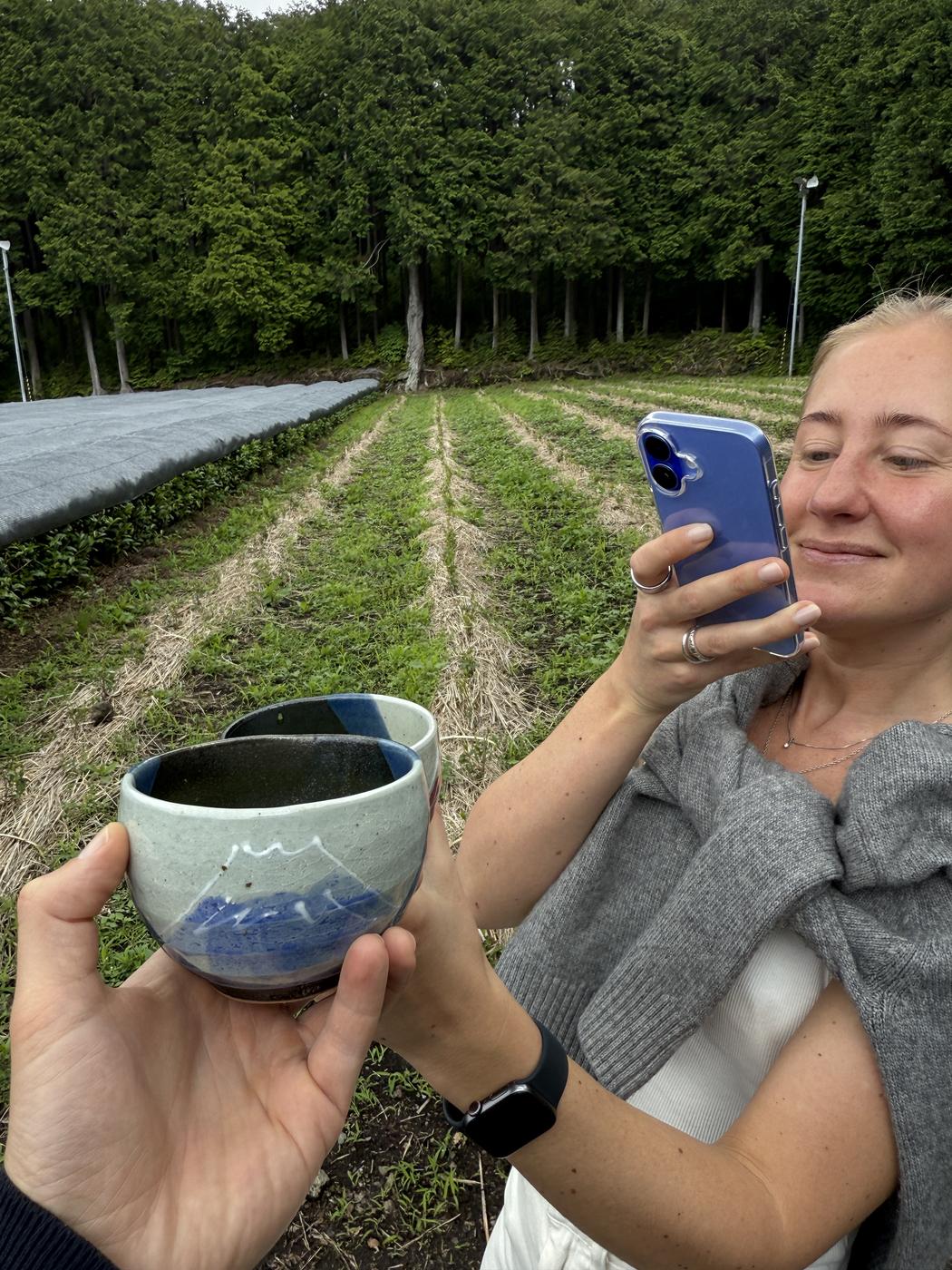
  3. Sasha tasting matcha from a bowl in a tea field

    Does matcha taste of grass or the sea?

    Ours shouldn’t: Anton leaves out teas that taste of grass, seaweed or the sea. Some matcha does, usually when it has gone stale or is made with water that is too hot. A light, sweet scent of nori is normal, though: it comes from the shading before harvest. Try 70–80 °C and 2 g of powder.

  4. Anton with the pouches above the tea rows

    Packed to stay fresh

    Each pouch is nitrogen-flushed and sealed with a food-safe oxygen absorber (Ageless) inside, to keep the tea fresh for as long as possible.

  5. A hand brushing over the new tops

    The harvests

    A tea bush is harvested several times a year. Each harvest gives different leaves, and you can taste it. All our matcha comes from the first two harvests.

  6. Anton and Sasha tasting matcha at a table in Japan

    Taste guarantee

    Email us at help@matchatori.com and we’ll swap it for another tea. The swap is once per customer. If the new tea costs more, you only pay the difference.

Taste

Sweetness
3 out of 5
Umami
5 out of 5
Bitterness
2 out of 5
Body
5 out of 5
Intensity
Position 4 of 6, from mildest to strongest.

Intensity shows where the tea sits among our teas, from mildest to strongest. It isn’t the same as body: a full tea can be mild.

How green is this matcha? Deep green

What is Midori?

Midori (緑) means green in Japanese. The scale shows where this matcha sits among matcha in general, from yellowish to deep green. Deep green matcha usually comes from young leaves that were shaded for a long time before harvest. More about colour

Ishi blends five cultivars from Fuji. Like Asa, it whisks up intensely green.

Compare all teas in a table

From tea bush to bowl.

Every step, from the tea bush to the bowl, shapes the taste.

Show the steps
  1. Shade cover lifted from bright green tea bushes

    Shading

    A few weeks before harvest the tea bushes are covered, either directly on the bushes or with a frame above them, tana. With less sun the leaves form more chlorophyll and keep more theanine, an amino acid that gives umami. At the same time fewer catechins form, which give bitterness.

  2. Hands picking the top leaves

    Harvest

    The first spring harvest, ichibancha, in April–May gives the softest leaves. Later summer harvests give stronger leaves that often suit a latte. The leaves have to reach the factory quickly, before they start to oxidise.

  3. Fresh tea leaves on their way to steaming

    Steaming

    The same day as the harvest, the leaves are steamed briefly. The heat stops the enzymes that would otherwise turn the leaves brown, the same process that darkens a cut apple. Steaming is what keeps Japanese tea green; in China green tea is more often pan-fired, which gives a different taste.

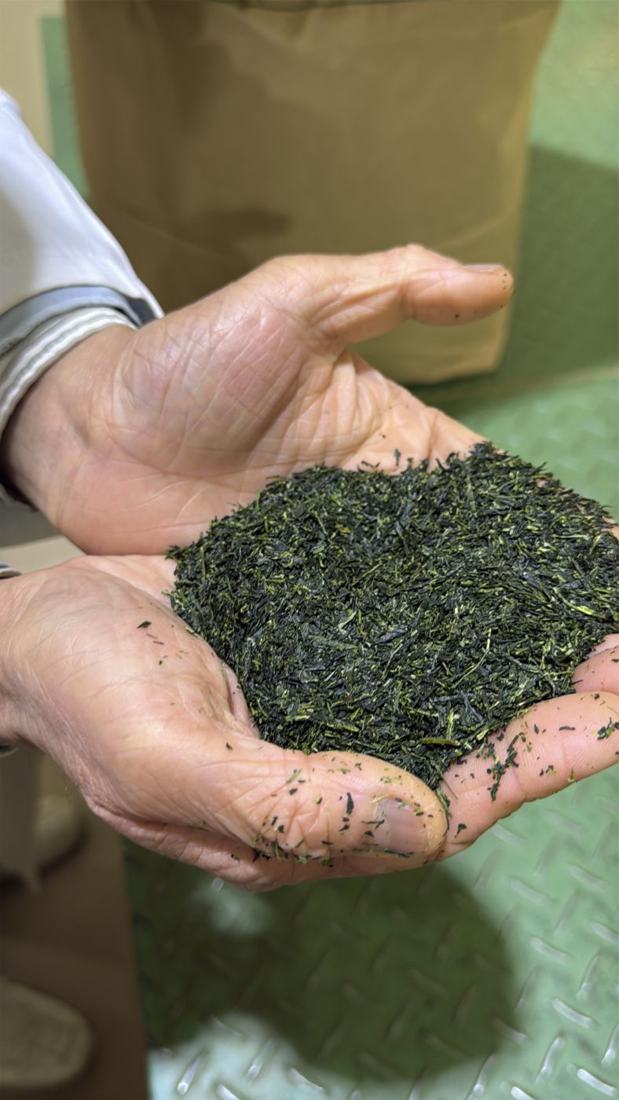
  4. Hands holding dried tea leaves in a factory

    Sorting into tencha

    The dried leaves are shaken and sieved. Stems and veins are sorted out, leaving thin, brittle leaf flakes: tencha. Tencha is the raw material for all matcha; by the Japanese definition, matcha is ground tencha, not just any green tea.

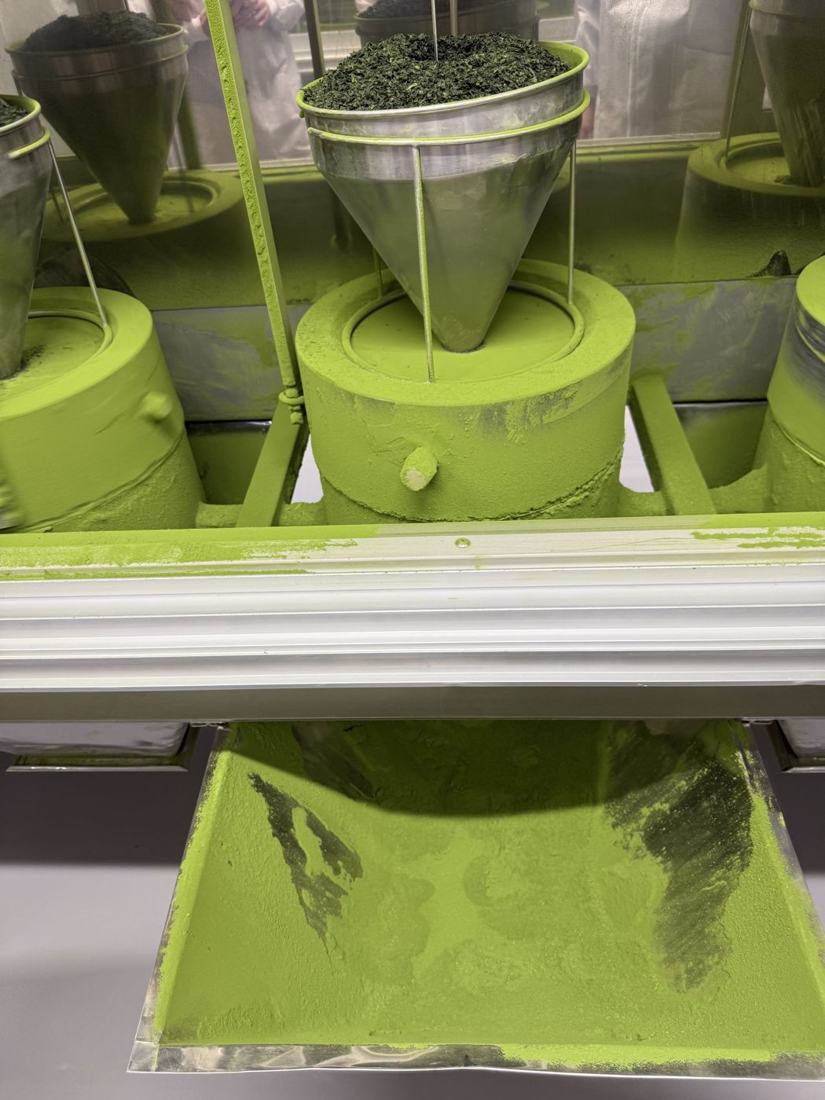
  5. Freshly ground matcha collecting under a mill

    Grinding

    The tencha is ground into a very fine powder. Traditionally this is done in a stone mill, ishi-usu, which grinds only a few tens of grams an hour so the leaves do not heat up. Other mills exist too. Japanese research shows that the particles usually end up around 10–20 micrometres; that decides how smooth the matcha feels and how it foams.

The tea bush and the cultivar
Shading

How to make matcha

Try this matcha with just water first, so you can get to know its flavour.

Matcha whisked with a bamboo whisk in a white bowl.
Choose a recipe
Choose a recipe

Choose a recipe. Ingredients and steps appear once you choose.

With water · usucha

1 serving · a starting recipe

Matcha
2 g
Water
75 ml 80 °C
  1. Sift 2 g of matcha into a bowl.
  2. Add the water. Whisk briskly back and forth in a W motion for about 30 seconds.
  3. Take a sip. Add a little more water if you prefer a lighter cup.
Full recipe with tips

Hot matcha latte

1 serving · a starting recipe

Matcha
3 g
Water
100 ml 80 °C
Milk
100 ml
  1. Sift 3 g of matcha into a bowl.
  2. Add the water. Whisk until smooth and frothy, about 15–30 seconds.
  3. Warm and froth the milk, then pour it over the matcha. Plant-based milk works too.
Full recipe with tips

Iced matcha latte

1 serving · a starting recipe

Matcha
3 g
Water
100 ml 80 °C
Milk
100 ml
  1. Sift 3 g of matcha into a bowl.
  2. Add the warm water. Whisk until smooth and frothy, about 15–30 seconds.
  3. Fill a glass with ice and cold milk. Pour in the matcha and stir. Plant-based milk works too.
Full recipe with tips
Adjust the flavour & store your matcha

Too strong? Add a little water. For a latte with more matcha flavour, try less milk.

Too weak?
Use a little more matcha, or less water or milk. Change one thing at a time.
Bitter or harsh?
Cooler water or a little less powder.
Clumps?
Matcha is so fine that it clumps easily, even when it is fresh. Sift it through a strainer and whisk in a W motion until smooth, before you add the milk.

If you want to compare cups, weigh the matcha and change one thing at a time: the amount of water or the temperature.

Between cups. Close the tin well after each use and keep it cool, dry and dark, away from strong smells. Follow the storage advice and best-before date on the packaging.

All our matcha recipes (8)

Fuji, Shizuoka, Japan
Tokyo 富士 FUJI

The place behind your matcha

Fuji, Shizuoka, Japan

Fuji is in Shizuoka, at the foot of Mount Fuji, Japan’s highest mountain at 3,776 metres. Shizuoka is one of Japan’s largest tea regions.

Tea cultivar
Yabukita, Tsuyuhikari, Saemidori, Sakimidori & Sayamakaori
Harvest
First harvest (ichibancha)
Net weight
30 g
How our customers describe it

nutty, deep, full-bodied

Curious about the cultivar?

A cultivar is a cultivated variety of the tea plant, such as Yabukita or Okumidori. A matcha can contain one cultivar or a blend.

What the names mean

  • Yabukita やぶきた – “north of the bamboo grove”. Japan’s most widely grown tea plant, named after the spot in Shizuoka where it was selected.
  • Tsuyuhikari つゆひかり – “shining dew”. A younger cultivar from Shizuoka with a clear, bright green colour.
  • Saemidori さえみどり – “clear green”. A cross of Yabukita and Asatsuyu, known for a round, sweet taste.

How we bought this tea

Place
Fuji, Japan
Cultivar
Yabukita, Tsuyuhikari, Saemidori, Sakimidori & Sayamakaori
The colour

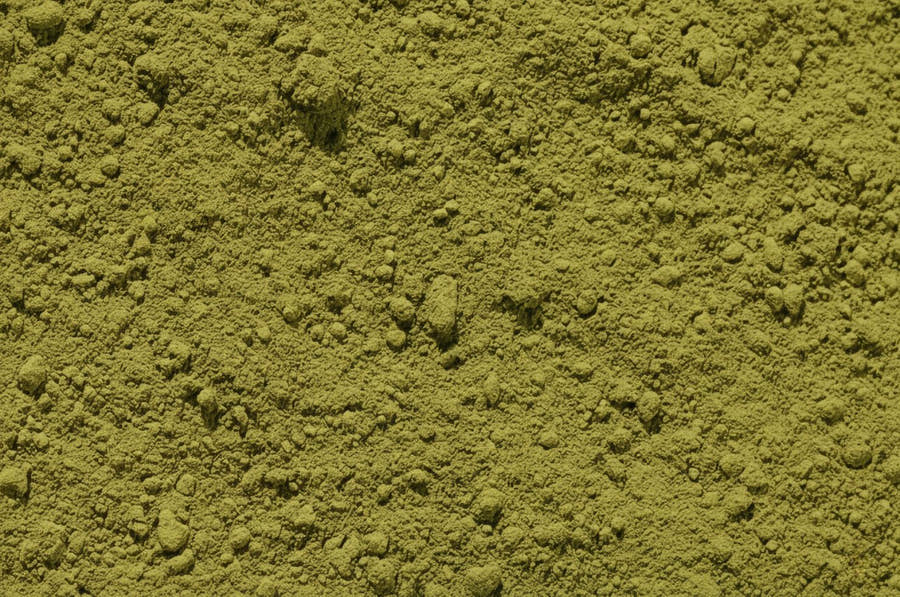
Green, but never exactly the same.

Yellow-green matcha
Deep green matcha

All matcha looks a little different. The colour changes with the cultivar, the region, the harvest and how long the plants were shaded, which is why even our own teas look different side by side.

But the difference between green and yellow says a lot. A deep green matcha comes from young leaves that were shaded for a long time. A yellower matcha is usually of lower quality: the leaves often come from a later harvest, were shaded for a shorter time, or the tea has grown old. We taste every tea before it gets a number from us, and colour is one of the things we look at.

Questions & answers

Answers about the product and your order.

Does all your matcha come from Japan?

Yes. All our matcha comes from Japan, and for every tea we state the region and cultivar: Yame in Fukuoka, Kagoshima, and Fuji and Asahina in Shizuoka. Matcha is not a protected name in the EU, so always check which country the tea comes from, not just the word matcha.

Which matcha works best for lattes?

Start with a tea whose flavour comes through the milk. No 3 · Latte is made for exactly that. You can also use ceremonial matcha if you like the result.

Which matcha should I drink with water?

Start with No 2. It is round and creamy and tastes lovely with just water. If you want more depth and umami, move on to No 6.

Why do you have so many teas?

Region, cultivar and harvest make each tea taste different. Some are made for lattes, others for drinking with water. That’s how you find your favourite. Anton chooses every tea himself.

How much matcha should I use?

For matcha with water, start with 2 g and 75 ml water. For a hot latte, try 3 g, 100 ml water and 100 ml milk. These are starting recipes: adjust one amount at a time to suit your taste.

What water temperature should I use?

Around 80 °C is a good starting point. No thermometer? Let the water stand for 3–4 minutes after boiling, or mix three parts boiling water with one part cold. Hotter water brings out more bitterness, so if the cup tastes harsh, try slightly cooler water next time.

Why should I sift matcha?

Sifting breaks up dry clumps before you add liquid. Use a small dry strainer, then mix the powder with a little water before adding the rest. It helps make the drink smoother.

How do I whisk matcha?

Blend the sifted powder with a little water, then add the remaining measured water. Whisk back and forth with a relaxed wrist. Avoid pressing the whisk tines hard against the bottom of the bowl.

Can I make an iced matcha latte?

Yes. Whisk 3 g matcha with 100 ml water, then pour over ice and 100 ml cold milk or plant-based milk. Mix the matcha base before adding the ice to avoid dry clumps.

Which milk should I use?

Use whichever milk or plant-based milk you like. Oat milk has a lot of its own flavour and sweetness, so if you want to taste more matcha, use a little more powder or less milk, or try almond or soy. Barista versions froth best and are less likely to curdle.

What is umami?

Umami describes savoury fullness. In matcha it is one part of the flavour, alongside green notes, sweetness, bitterness and texture. Tasting notes describe associations; they are not a list of added ingredients.

Why does my matcha smell of seaweed or fish?

The sweet aroma of nori or cooked corn is the shade aroma, called ooika in Japanese. When the tea bushes are shaded before harvest, a compound forms in the leaves that becomes dimethyl sulfide when the leaves are steamed and dried, and Japanese tasters look for it. If the matcha instead smells rancid, dusty or musty, it has usually become old, warm or damp. Contact us if it is a pack you have just received.

Why does my matcha taste bitter or harsh?

Bitterness and astringency come mainly from catechins and caffeine, which are drawn out more in water above about 80 °C, while the umami comes through at lower temperatures. Try 70–80 °C and a little less powder, and change one thing at a time. Old matcha and later harvests can also taste more bitter.

How do I avoid lumps?

Matcha is a very fine powder that attracts moisture and static, so it clumps easily. Sift the dry powder, mix it with a little water into a smooth paste, then add the rest of the liquid. Pouring milk straight onto the powder easily leaves lumps.

How much caffeine does matcha contain?

In independent tests, matcha has contained about 15–20 mg of caffeine per gram. A cup with 2 g therefore contains about 30–40 mg, and a latte with 3 g about 45–60 mg. According to the Swedish Food Agency, a cup of brewed coffee contains about 70 mg. The content varies between teas. If you are sensitive to caffeine, use less powder and drink it earlier in the day.

Do I need a bamboo whisk?

A bamboo whisk, or chasen, gives a fine, dense foam when you mix matcha with water. For lattes and cold drinks, a battery-powered milk frother works well in a tall glass, and cold drinks can also be shaken in a jar with a lid. Always sift the powder first.

How much does shipping cost?

€4,90 to a pickup point · free from €79,90. Home delivery available; final price at checkout. Delivery usually 3–5 working days after dispatch.

Shipping options and the exact cost are shown at checkout for your delivery address and order. Free-shipping thresholds can differ between markets. Check the displayed total before completing your purchase.

What can I do if a product is sold out?

If a stock notification form is shown, choose the variant you want and enter your email address there. We’ll let you know when it’s back, but this is not a reservation and we can’t promise a date. Signing up does not place an order.

Where can I see my discount and final price?

Available offers depend on the products and quantity you choose. Your discount and final total are shown in the cart and checkout, so you can review them before paying.